Ethics of Care & Compounding Disasters
Healthcare Workers in Puerto Rico After Hurricane Maria
Welcome to the Compromiso Study
When a disaster strikes, health care workers spring into response, treat the injured and aid the sick. But what happens when disasters keep happening, one after another? How do health care workers cope with the constant demands of disaster conditions? This project documents how health care workers responded to disaster conditions, cared for patients, and worked to rebuild the health care system in Puerto Rico in the wake of Hurricane Maria, earthquake swarms, and COVID-19.
The central question of this research is: Did health care workers’ experiences during and after Hurricane Maria transform their ethics of care? The ethics of care refers to the practices and self-understanding that guide and motivate those who do the work of caring for others. The research design includes data collection through individual interviews, remote focus groups, and on-site participant observation. This project seeks to explain the underlying cultural processes through which (1) disasters transform communities and (2) care workers forge practices and self-understandings that aid in the process of disaster recovery.
The research is important because disasters and health emergencies are becoming more frequent and more severe. Therefore, gathering data on how the health care work force responds emotionally to prolonged crisis conditions can aid in designing more effective responses.
“We are strong and we love our patients, because when one is comprometido [having compromiso] with your people, you will do every last thing for them.”
-Participant
Compounding Disasters
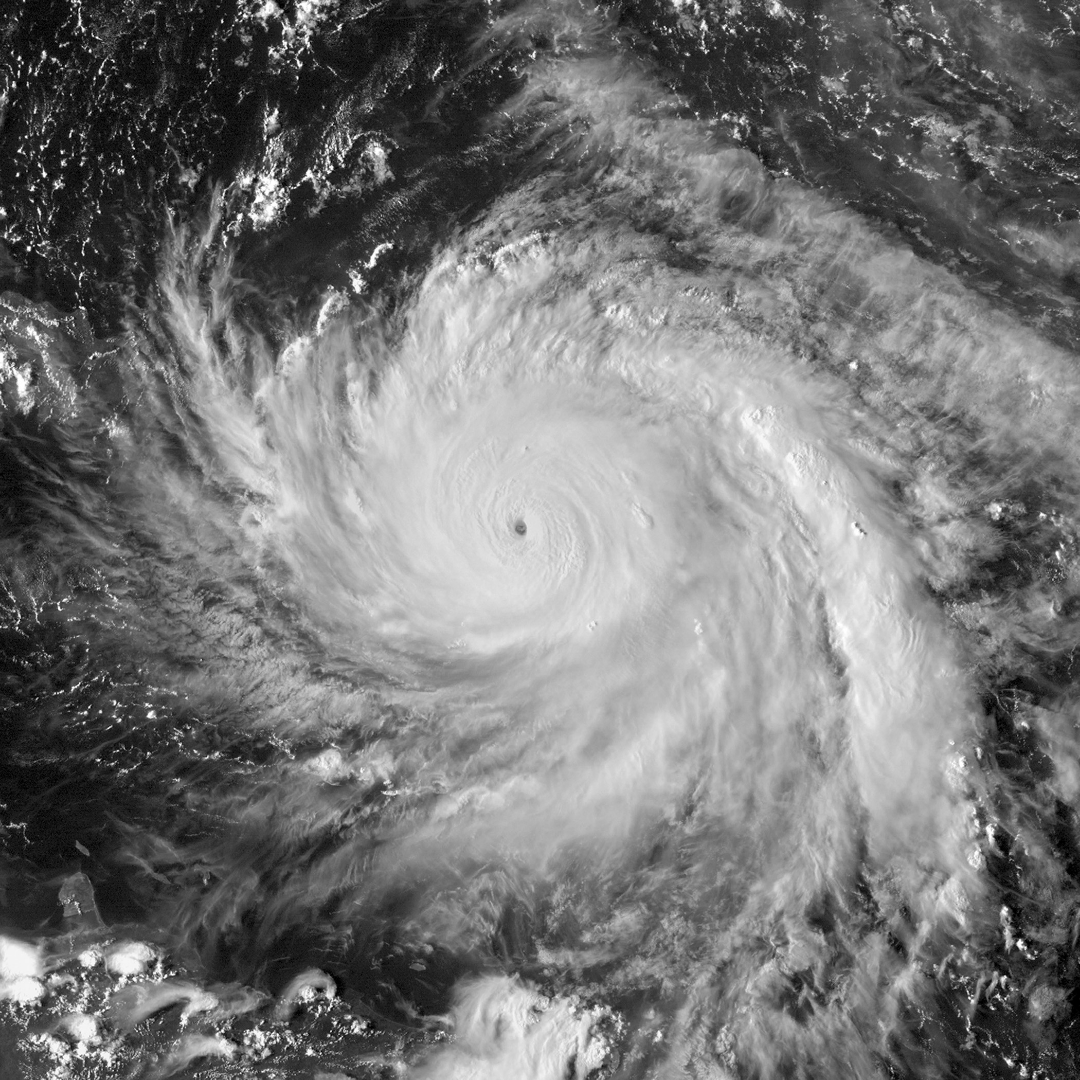
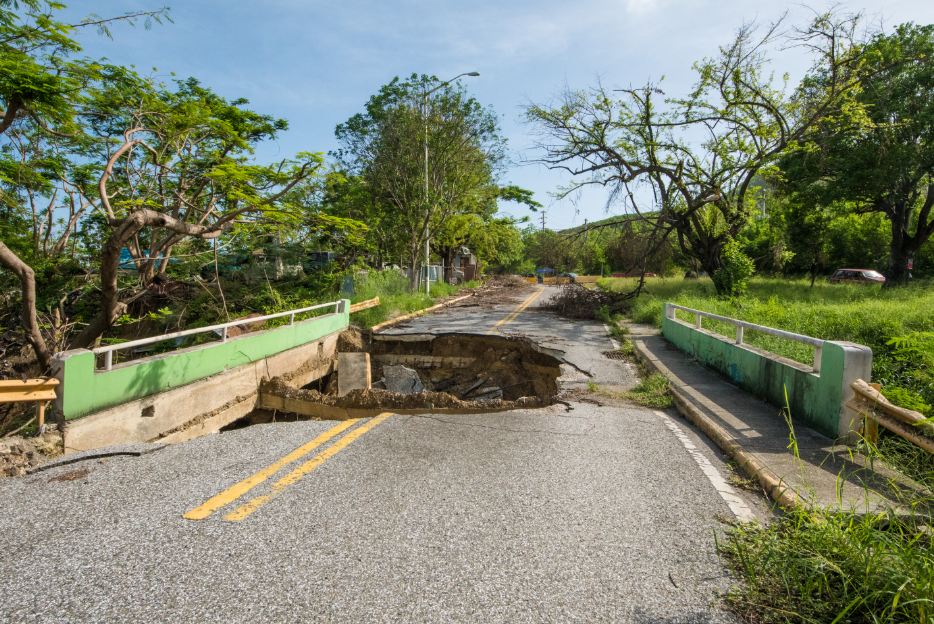
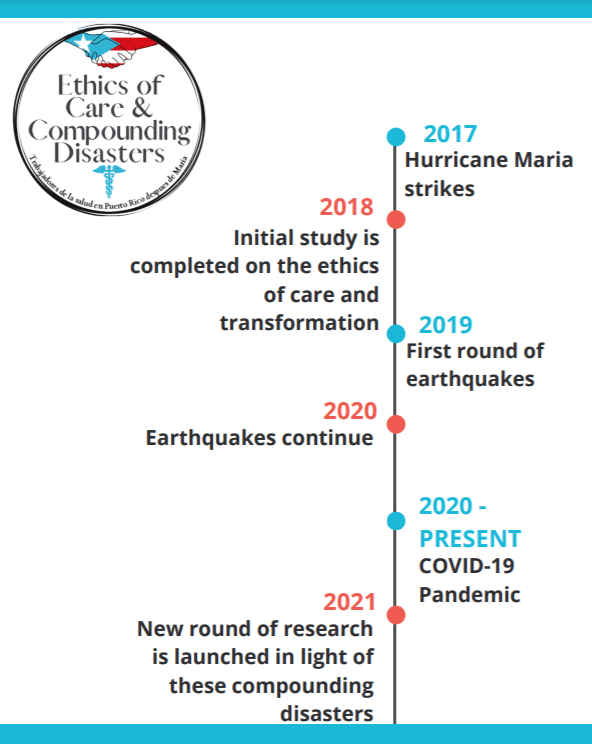
Over the past five years since Hurricane Maria, Puerto Rico has suffered from compounding disasters including earthquakes and the global COVID-19 pandemic. Unfortunately, experts predict climate change will cause even more disasters in the future. Despite these challenges, many Puerto Rican health care workers have remained comprometido.
The 2018-2019 initial research documented a strong sense of purpose and community orientation shared among health care workers in Puerto Rico after Hurricane Maria.
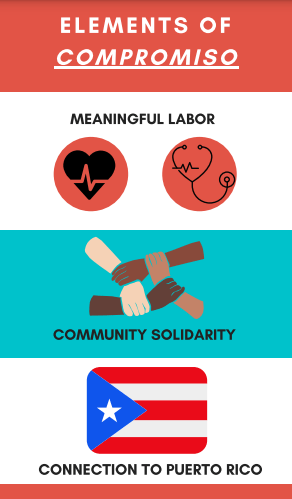
The health care workers described their compromiso, or commitment to their care-giving work; they expressed a sense of duty, solidarity, and responsibility that helped them rise to the challenge of treating the sick and injured under critical emergency conditions.
Thus, we adopt the term compromiso to describe the ethics of care that healthcare workers created after the hurricane.
 Compromiso Study